

Sculptural Ceramic Vessels for Interiors: Enhancing Aesthetic, Atmosphere and Artistic Value
There is a moment in a well-designed space when everything settles. Light feels considered. Materials sit comfortably together. Nothing is competing. In that moment, a sculptural ceramic vessel does something quite particular. It does not try to dominate. It simply holds its place, and in doing so, it strengthens everything around it.
This is where the work of Sonya Wilkins becomes especially relevant. Her vessels are not created to fill a gap on a shelf or a table. They are made to be part of the structure of a space, shaping how it feels as much as how it looks.
For interior designers, this offers a dependable way to bring depth and balance into a scheme. For gallery owners and curators, it presents a body of work that is consistent, thoughtful and quietly confident.
What Defines a Sculptural Ceramic Vessel in Contemporary Interiors
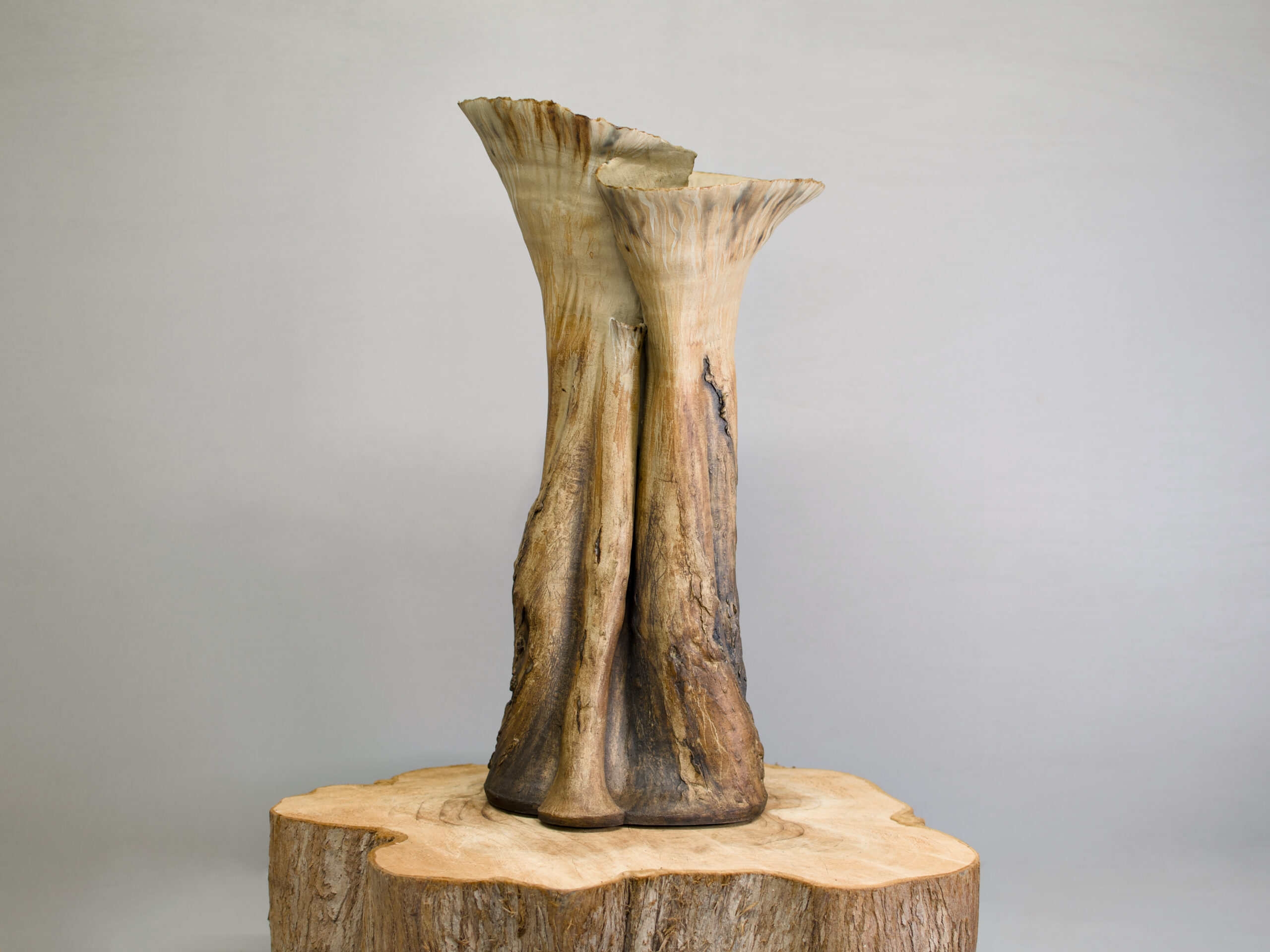
A sculptural ceramic vessel is rarely about function. It is about presence. The form comes first. The curve, the edge, the weight of the piece in relation to the space around it. Surface follows, often with subtle variations that reveal themselves over time rather than immediately. Light moves across it differently throughout the day. It invites a slower kind of attention.
In Sonya’s work, there is a clear connection to natural form. Shapes feel softened, as though they have been shaped by time rather than tools. Surfaces carry a quiet variation that avoids uniformity. Nothing feels forced. For designers, this creates an object that integrates easily into a considered palette. For curators, it signals a practice grounded in material understanding and intention.
Enhancing Interior Aesthetic Through Form and Placement
Interior designers are often resolving a series of small decisions that collectively define a space. A sculptural ceramic vessel can quietly support several of those decisions at once. Placed in an entrance hall, a larger piece can provide an immediate sense of arrival. It offers a focal point without overwhelming the architecture. In a living space, a vessel can sit within a composition of furniture and materials, adding weight and grounding the arrangement.
Texture plays an important role. Against glass, polished stone or smooth painted surfaces, ceramic introduces a gentle contrast. It brings a layer of material richness that feels natural rather than decorative. Scale is equally important. A well-chosen piece feels proportionate. It neither disappears nor dominates. It simply belongs. This is often what designers are searching for. Not an object that stands apart, but one that completes the space.

From Object to Artwork: Relevance for Curators and Galleries
In a gallery setting, the same vessel is experienced differently. The context shifts, and so does the attention. Here, the focus is on the work itself. The decisions behind it. The consistency of the forms. The relationship between pieces when seen together.
Sonya Wilkins’ work translates naturally into this environment. There is a recognisable language across her vessels. The forms are distinct yet connected. The surfaces carry evidence of process without feeling unfinished.
For curators, this creates a clear narrative. The work can sit within wider conversations around material, landscape and contemporary ceramic practice. It holds its own, without needing explanation. For collectors, there is a sense of continuity. Each piece feels part of something larger, rather than a one-off object without context.
The Value of Bespoke Ceramic Commissions in Interior Projects
There is a particular satisfaction in placing something within a space that has been made specifically for it. Bespoke ceramic commissions allow for that level of consideration. Scale can be adjusted. Form can respond to architectural features. The piece can be developed with the space in mind from the beginning.
For interior designers, this offers control and clarity. The final result aligns with the overall scheme rather than being adapted to fit. For the artist, it provides an opportunity to engage more deeply with context. The work becomes part of the space rather than an addition to it. For the client, the outcome is something that cannot be replicated. A piece that carries both aesthetic value and a sense of permanence.
Why Sculptural Ceramics Continue to Matter
There is a growing preference for materials that feel real, considered and lasting. In that context, sculptural ceramics have a quiet relevance. They are not trend-led. They do not rely on colour or pattern to make an impression. Instead, they offer form, texture and material integrity. Over time, this becomes more important. The piece remains, even as other elements within a space change.
A Natural Fit Across Interior Design and Contemporary Art
For interior designers, Sonya Wilkins’ vessels provide a way to complete a space with balance and subtle confidence. They support the overall aesthetic without competing for attention.
For gallery owners and curators, the same work offers a coherent and collectable ceramic practice. It carries consistency, material understanding and a clear sense of intent.
In both contexts, the vessels do more than occupy space. They shape how it is experienced.