


Sculptural Ceramics for Interior Designers
Sculptural Ceramics for Interior Designers
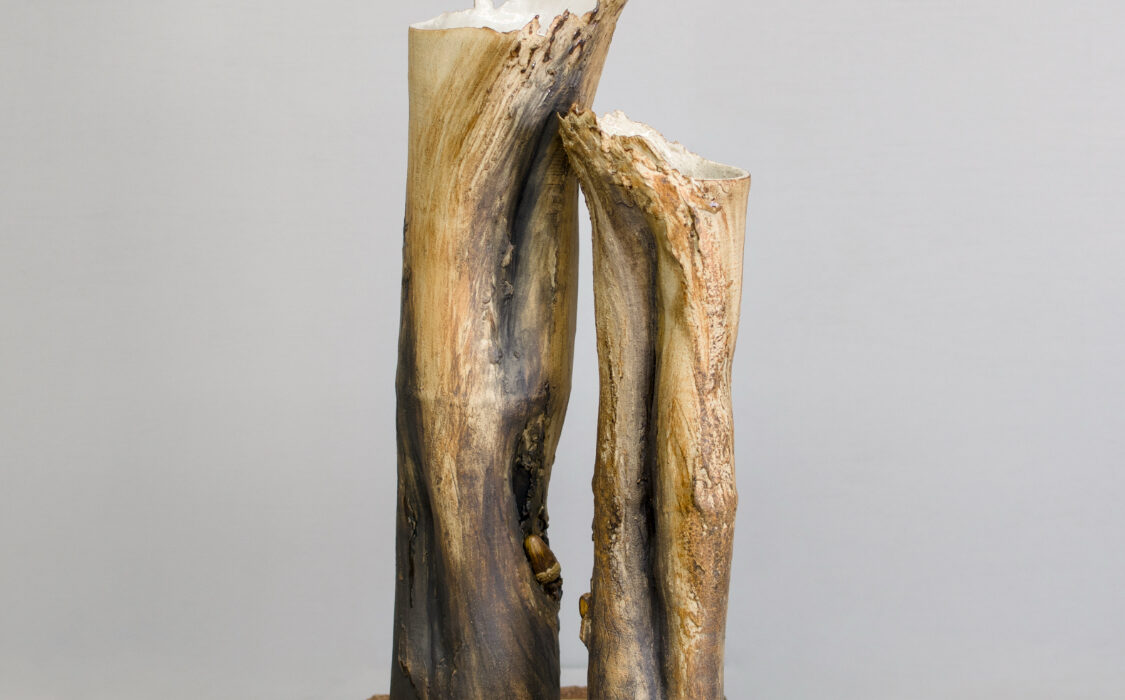
There is a quiet moment that happens when a space begins to feel complete. It is rarely the result of one dominant feature. More often, it emerges through balance, texture and a sense of cohesion that is felt rather than analysed. In my experience, sculptural ceramics can play a meaningful role in this process, not as decoration alone, but as a grounding presence within an interior.
When I create vessels, I am thinking not only about form, but about how that form will live within a space. Ceramic sculptures for interior designers are not simply objects to be placed. They are points of stillness, offering a tactile and visual anchor that can soften or deepen the atmosphere of a room.
How interior designers use ceramic art in spaces
Interior designers often work with a careful layering of materials. Wood, stone, textiles and light are brought together to create harmony and contrast. Ceramic work sits naturally within this palette because it shares an earth-based origin while offering a unique responsiveness to touch and light.
In open plan living spaces, where scale and flow are particularly important, sculptural vases for interiors can help define areas without imposing structure. A well-placed vessel can draw the eye, create a pause point and subtly guide movement through a room. The presence of handmade ceramics introduces variation and nuance that mass-produced objects often lack.
I have noticed that when designers incorporate bespoke ceramic commissions into their projects, the relationship between object and environment becomes more intentional. The piece is not selected to fill a gap, but to resonate with the architecture, the light and the emotional tone of the space.
The role of texture and form in ceramic styling
Texture is often one of the most overlooked elements in interior design, yet it has a profound impact on how a space feels. Clay carries texture in a way that is both visual and tactile. It records movement, pressure and process. When left visible, these qualities invite interaction and slow the pace at which a space is experienced.
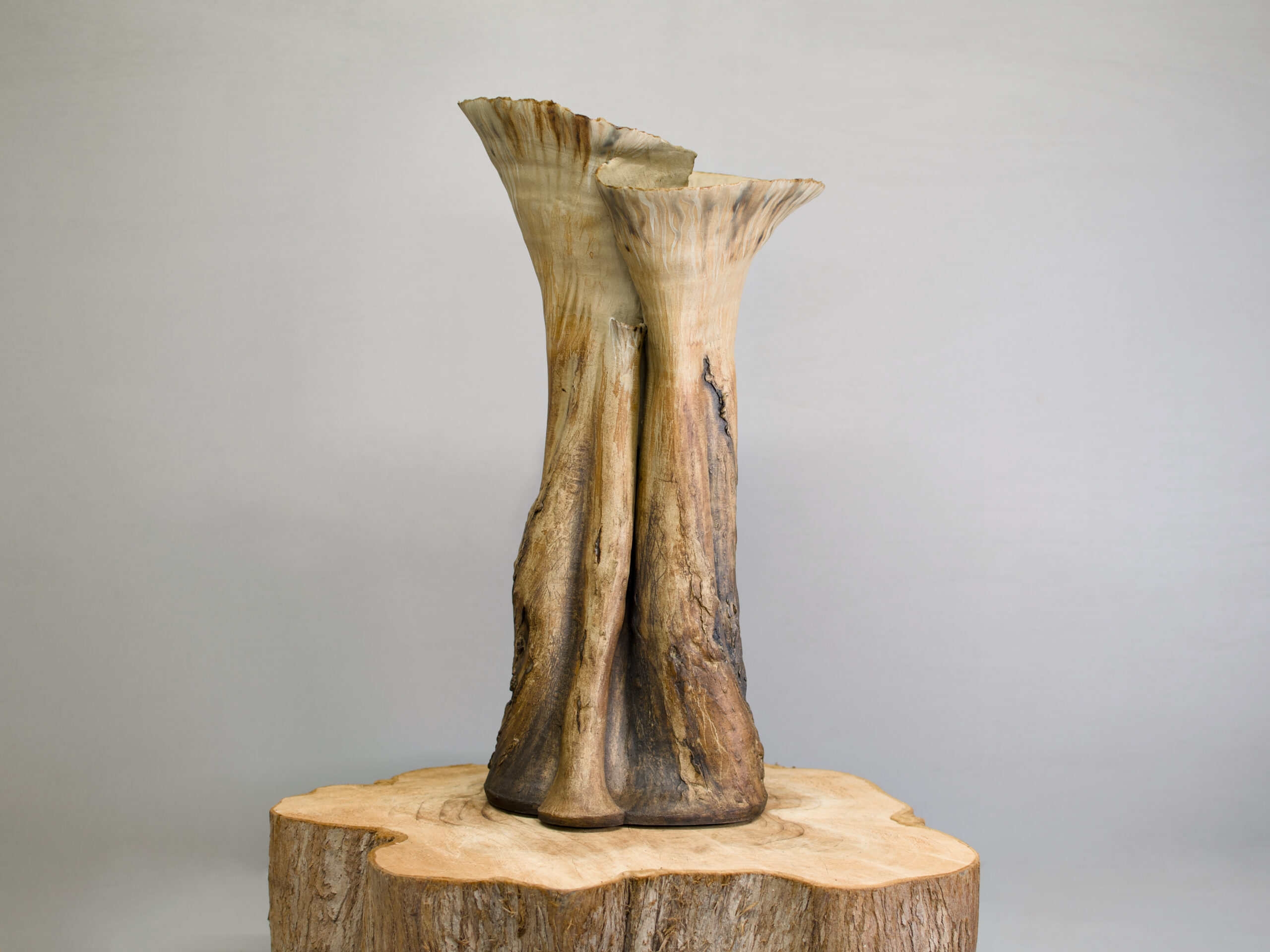
Form is equally important. Sculptural ceramic artists often work with curves, asymmetry and organic lines that echo natural growth patterns. These forms can soften rigid architectural features and introduce a sense of fluidity. In luxury interiors, where materials may be refined and controlled, ceramic pieces can bring a gentle counterbalance that feels human and grounded.
For interior designers working on high-end residential or hospitality projects, choosing statement ceramics for luxury interiors often involves considering how a piece interacts with natural light. Glazes, surfaces and edges respond differently throughout the day, creating subtle shifts in tone and presence.
“Clay allows me to hold both structure and softness at once. When a vessel enters a space, it carries that balance with it, offering something that feels both stable and quietly alive.”
Bespoke ceramic commissions and spatial storytelling
There is a particular depth that comes with commissioned ceramic artwork. A bespoke ceramic sculpture commission allows the designer, client and artist to collaborate in shaping something that is specific to a place and its purpose. This might be a site-specific ceramic installation within a hallway, a series of custom ceramic vases for interiors in an open plan setting, or a single focal piece that anchors a room.
In the UK, there is a growing appreciation for commissioned ceramic artwork that reflects both craftsmanship and individuality. Clients are increasingly drawn to made to order ceramic pieces that carry a sense of origin and intention. These works become part of the narrative of the home rather than an addition to it.
For galleries and collectors, this approach aligns with a broader interest in contemporary ceramic artists in the UK who are exploring the intersection of art, material and environment. Sculptural ceramic artists are gaining recognition not only for their technical skill, but for their ability to create work that resonates across both domestic and exhibition contexts.
Supporting wellbeing through material presence
There is also a quieter aspect to consider. Materials influence how we feel within a space, often without conscious awareness. Clay, as an earth-derived material, carries associations of stability, grounding and continuity. When introduced into interiors, it can support a sense of calm and presence.
Research into environmental psychology suggests that natural materials contribute to reduced stress and improved wellbeing. The concept of biophilia highlights our innate affinity for elements that connect us to the natural world. Ceramic sculptures for interior designers can support this connection, particularly when their forms and surfaces reflect organic patterns and processes.
In my own practice, I am aware that each piece I create will be encountered daily. It may be seen in passing, touched absentmindedly or simply held within peripheral awareness. These small interactions accumulate. They shape how a space is experienced over time.
“When I create a vessel, I am not only shaping clay. I am considering how it might be lived with, how it might support a moment of pause, or offer a quiet sense of connection within a busy environment.”
Choosing ceramic pieces for contemporary interiors
For designers considering how to specify handmade ceramics in interior projects, there are a few elements that tend to guide the process. Scale, placement and relationship to surrounding materials are key. Larger sculptural pieces can act as anchors within open plan living spaces, while smaller works can create rhythm across shelving, surfaces or transitional areas.
The best ceramic pieces for open plan living spaces are often those that hold their presence without dominating. They invite attention without demanding it. Their value lies not only in visual impact, but in the atmosphere they help to create.
Working with a ceramic artist also allows for flexibility and dialogue. Ceramic artist commissions for interior design projects can respond to specific spatial needs, whether through proportion, colour or form. This collaboration ensures that the final piece feels integrated rather than applied.
As the appreciation for luxury bespoke ceramics in the UK continues to grow, there is an opportunity for interior designers to engage more deeply with material, process and meaning. Sculptural ceramics offer a way to bring these elements into a space with integrity and subtlety.
As you consider the spaces you design or inhabit, you might reflect on how objects influence your sense of calm, focus or connection. What materials support you in feeling grounded, and how might sculptural ceramics contribute to that experience?
References
Pallasmaa, J. (2012) The Eyes of the Skin: Architecture and the Senses. Chichester: Wiley.
Wilson, E.O. (1984) Biophilia. Cambridge, MA: Harvard University Press.
Kellert, S.R. and Calabrese, E.F. (2015) The Practice of Biophilic Design. Available at: www.biophilic-design.com
Malnar, J.M. and Vodvarka, F. (2004) Sensory Design. Minneapolis: University of Minnesota Press.


